
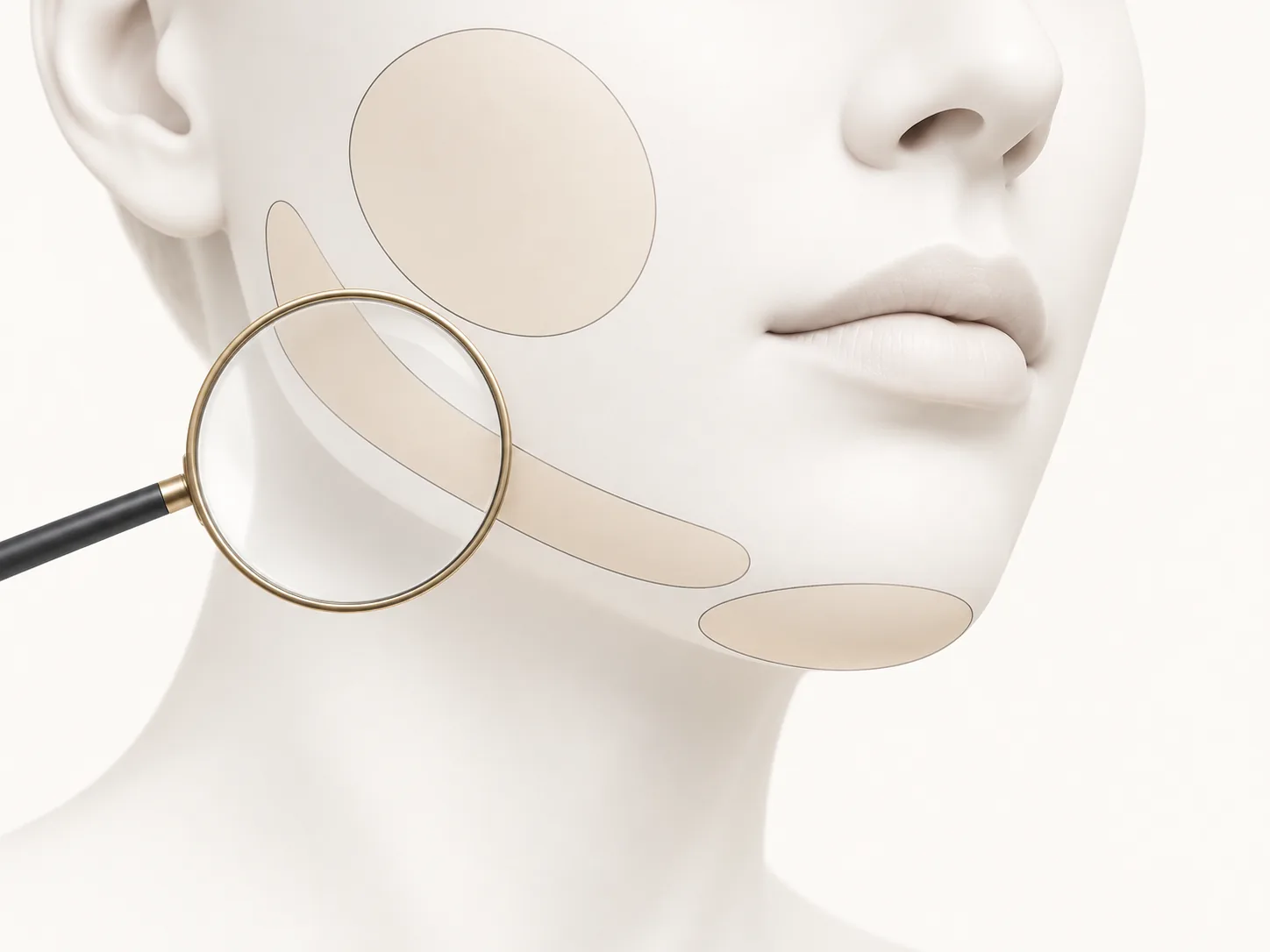
Do you feel that your facial contour in recent photos looks different from before? When first looking into lifting, you may start by searching for device names such as Ultherapy and Thermage.
There is something to establish before choosing a device: which area has changed, and why. Even when the concern is sagging, the first options to discuss vary depending on whether it stems from skin firmness, sagging in deeper layers, or changes in fat or volume.
Common causes differ by area
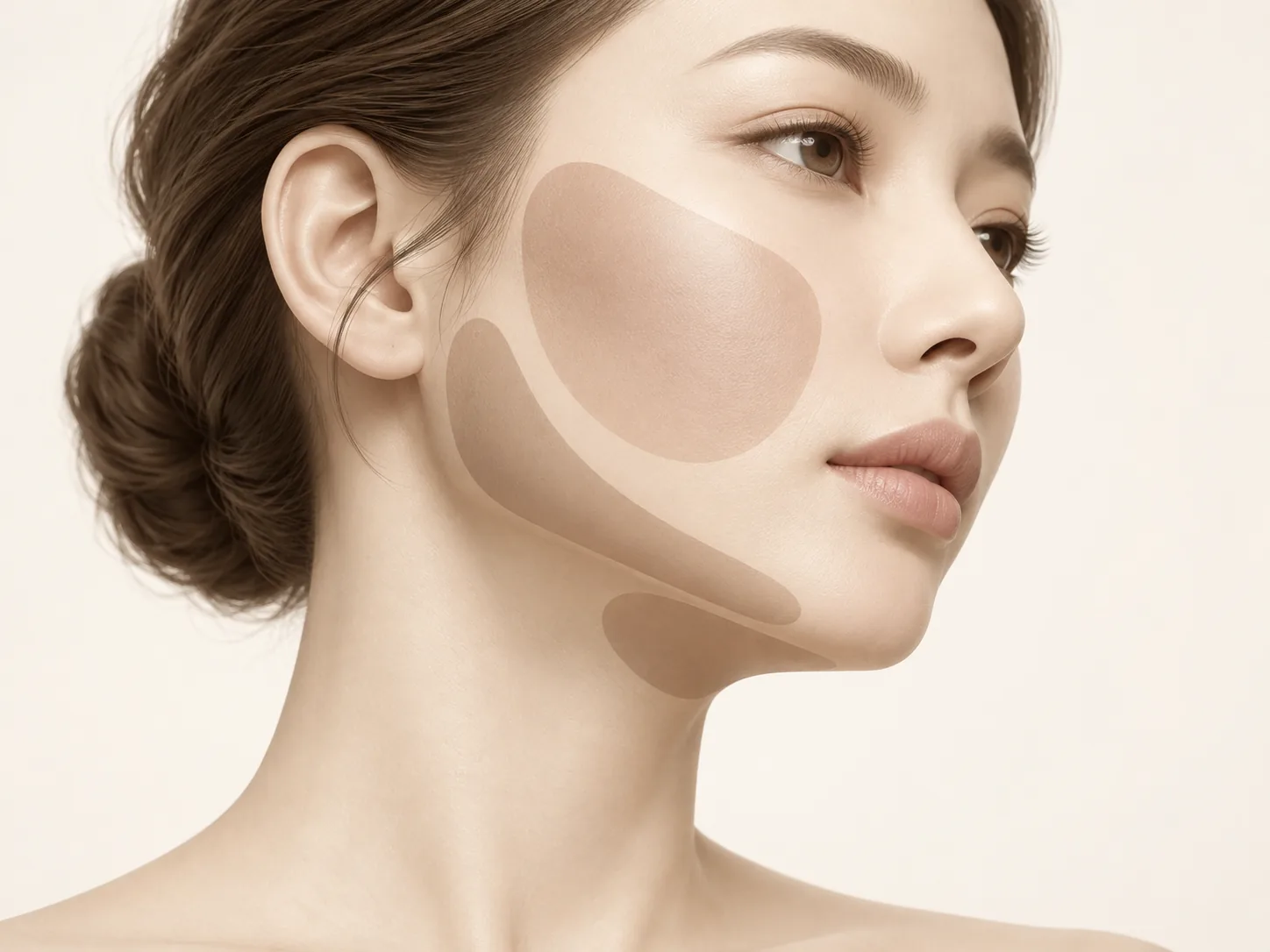
| What concerns you | Common causes | Options to discuss first |
|---|---|---|
| Sagging cheeks make the nasolabial area look deeper | Sagging in deeper layers, loss of volume | Ultherapy, thread lifting |
| A less defined jawline | Sagging of the skin and fascial layer, fat around the jaw | Ultherapy |
| Fullness under the chin | Loose skin, fat distribution | Ultherapy, Oligio X |
| Fine lines around the eyes and on the forehead, skin laxity | Reduced firmness in the dermis | Thermage, Oligio X |
Ultherapy uses ultrasound to reach the membrane covering the muscles (the SMAS layer), so it is often discussed first for sagging of the facial contour itself. Thermage and Oligio X use radiofrequency to heat the dermis and address skin firmness and fine lines. The differences between the two devices are explained in detail in our comparison of Ultherapy and Thermage.
Is it sagging or hollowing?
An often overlooked point at the first consultation is the difference between loss of volume and downward sagging. When the front of the cheeks becomes hollow, the area below can appear relatively more saggy.
Lifting pulls up sagging tissue and improves firmness. It does not fill lost volume. For faces with pronounced hollowing, the treatment area may therefore be adjusted, or other methods considered alongside lifting. Conversely, if fat or bone structure is the reason for an indistinct jawline, lifting alone may produce less of the desired change.
Three things to check in the mirror before your consultation
- The one area that concerns you most Choose the cheeks, jawline, area under the chin or eye area. If several areas concern you, setting priorities can help the consultation progress more quickly.
- When it is more noticeable Note situations such as seeing your profile rather than your face from the front, lowering your head, or smiling.
- Compare with older photos If you have unfiltered photos taken a few years ago in similar lighting, they can help you and your clinician see what has changed.
If you have had dermal fillers, thread lifting or facial contouring surgery, be sure to mention where and when. This is important information for planning treatment.
Frequently asked questions
Q. Which lifting treatment should I start with if it is my first time?
There is no set order simply because it is your first time. Ultherapy is often discussed first for a sagging facial contour, and Thermage or Oligio X for fine lines and skin texture. If both concerns are present, the treatment areas and order are determined separately after examination.
Q. Can the result look like my cheeks do when I lift them with my hands?
Pulling with your hands moves a broad area of tissue at once, so it is not the same as a treatment result. It can, however, help show the direction of change you want. Please explain both the changes you want and those you do not want.
Q. Could lifting make my face look gaunt?
If your face has little volume, this is a concern to raise during consultation. Each area is planned differently, for example by excluding hollow-looking areas from treatment or adjusting the intensity.
Your first lift with JAYJUN
In the next article, we will explain how ultrasound, radiofrequency and thread lifting each work.